A direction worth pursuing
Retest M-02 first
Both flux and rejection targets met.
Water flux61.6≥ 60
Rejection96.1%≥ 95%
M-03 has higher flux, but its 89.4% rejection falls short of the 95% target.
Based on 3 samples · Matched test conditions
YOUR AI RESEARCH COMPANION
A screenshot. A few words. BenchMemo connects your samples, conditions, and results — so you can understand this experiment and design the next.
For academic and industry labs, across disciplines

Compare these three samples. Which formulation meets our targets?
Curves · Readings · Sample IDs
Select a sample to trace its readings
Both flux and rejection targets met.
M-03 has higher flux, but its 89.4% rejection falls short of the 95% target.
From formulations and treatment conditions to test results, see how your research inputs can come together.
Connect recipes, process conditions, and performance in one comparison. Compare candidates and plan the next experiment.
Apply with this experimentRecipe photos, spoken preparation notes, and instrument screenshots
IMAGE · VOICE · PDF“Which formulation meets both flux and rejection targets?”
Have a different workflow? Bring your experiment, instrument, and file needs to the beta.
Follow a membrane formulation screen. See instrument screenshots and spoken notes become structured results, a comparison, and a specific next experiment.
Read samples, values, and units from instrument screenshots. Select a sample to trace its original readings.
Select a sample to trace its readings
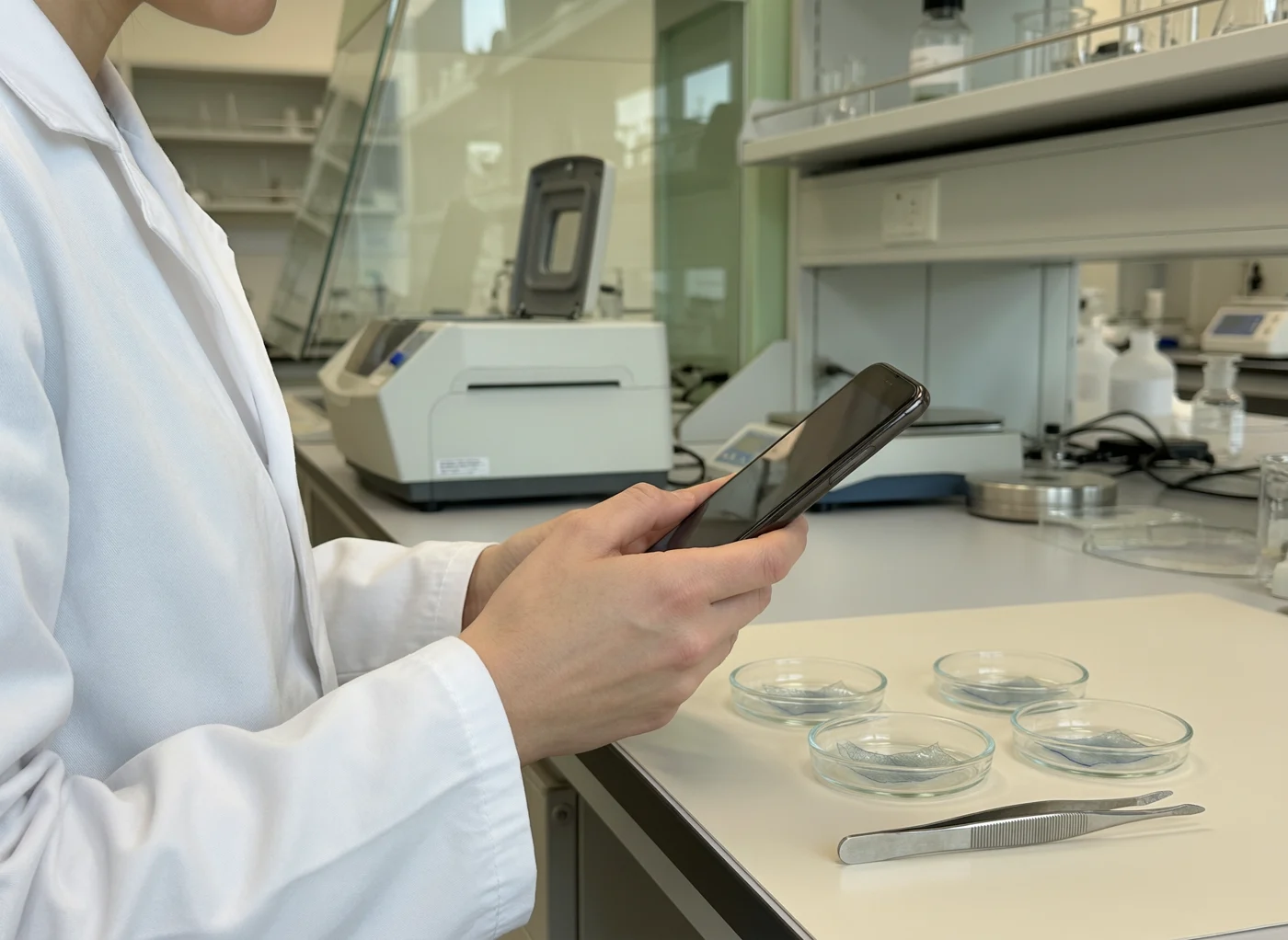 AI-generated scene illustration
“M-02 uses the 16% polymer formulation. Casting followed the plan. Attach the instrument screenshot to this sample group.”
Speak a step. Add a photo or screenshot. Connect actual procedures, samples, and observations to the same experiment — ready when you return to your data and plan.
Samples, units, test conditions, and original readings stay together. Trace organized results back to their files.
See execution deviations, missing records, and differences in test conditions before treating results as comparable.
Use results, past experiments, and research sources to propose a grounded next step, with open questions still visible.
Apply for private beta access with your lab or organization. We’ll contact you about access and help you bring your research workflow into BenchMemo.
Start with your research question, a spoken note, or an existing file. BenchMemo organizes information around your experiment and plan. Experiment types help you find the workflow that fits your work.
BenchMemo is designed for academic and industry labs across disciplines. The workflows on this page are examples, not a restriction to one field. Tell us about your experiment types, instruments, and file formats when applying so we can discuss beta support for your lab.
Define goals, variables, and controls; compare candidate plans; organize measurements; and analyze results in context. Use the findings and research evidence to work out a specific next experiment.
Capture steps, photos, and observations on your phone. Import experiment files directly, and revisit the same plan, records, and analysis across devices.
Your application only needs contact details and any needs you choose to share. No experiment files are required. Data handling, access, and storage are explained before you bring in your research.
Applying requires no payment or purchase commitment. Work with Chinese, English, and mixed scientific terminology. Include any language or deployment requirements in your application.
Your next discovery starts here.
Help shape BenchMemo around the way your lab works.
No payment. No experiment files required.Bring your own experiment. Tell us which part of your work you’d most like to improve.